
Located in Murray and serving the greater Salt Lake City area, our facility offers day treatment, an intensive outpatient program, and peer support. This range gives patients access to structured care while allowing them to remain connected to work, school, family, and personal responsibilities.
If you are uncertain which level of care fits you or a loved one’s unique needs, our admissions team can listen to your concerns and explain the available treatment options. Contact Steps RC for a confidential conversation.
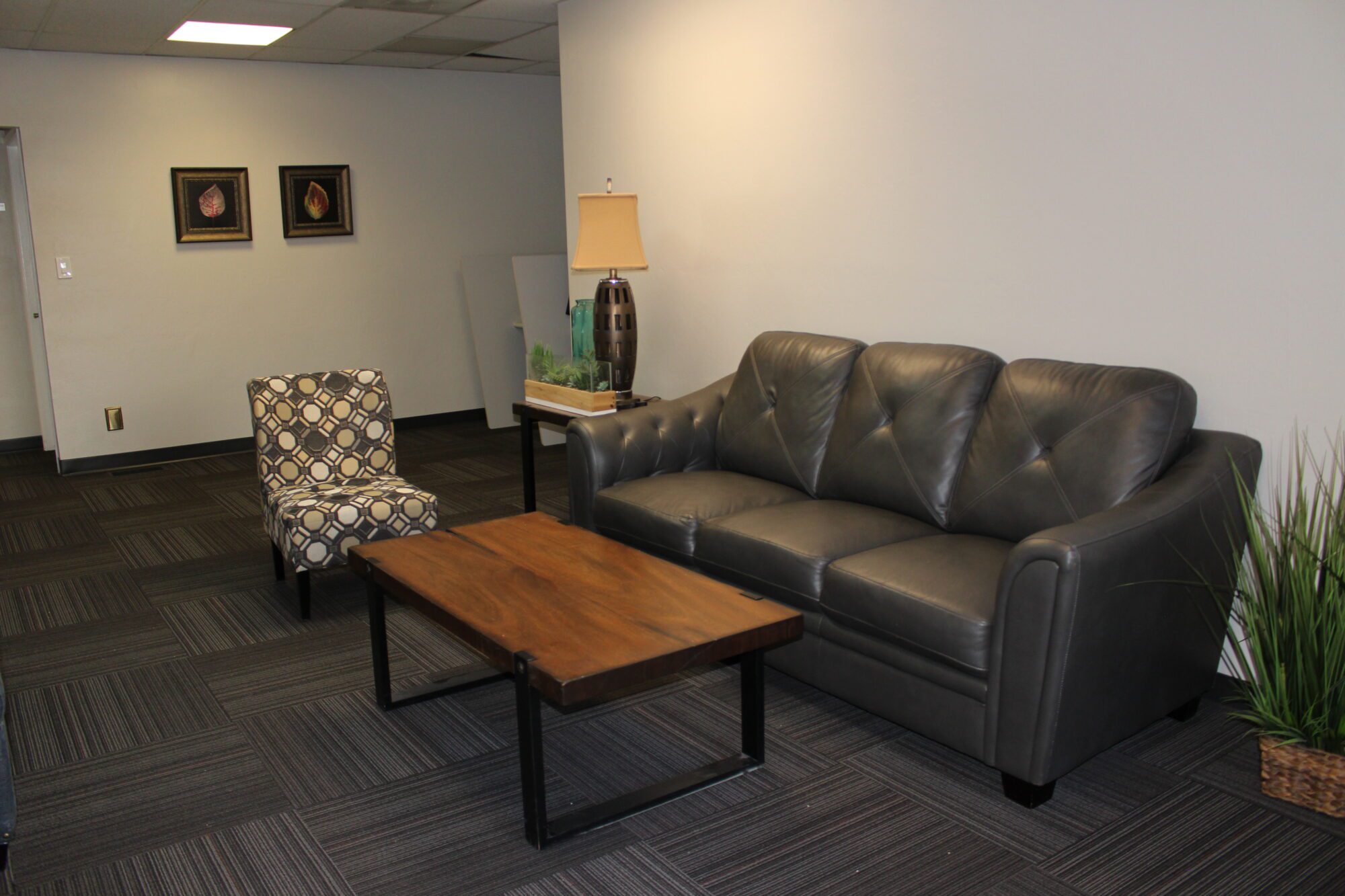


Flexible Outpatient Care for Every Person
This flexibility can be valuable for people with stable housing, reliable transportation, and enough support to participate consistently. A flexible schedule does not mean care is not thorough. Attendance, honest participation, and a willingness to practice new behaviors are essential parts of a meaningful recovery program.

Programs at Our Murray Rehab Center
Our experienced professionals provide comprehensive care aimed at addressing underlying issues as well as the immediate effects of a substance use disorder. The National Institute on Drug Abuse explains that effective care should address a person’s drug use along with related medical, psychological, social, vocational, and legal needs.
When you contact Steps RC, our team can help you compare the levels of structure available at our Murray facility. The goal is to match each patient with services that provide meaningful support without overlooking safety or overall health.
Day Treatment and Intensive Outpatient Programs
Day treatment provides a higher degree of weekly structure for patients who need substantial support but do not require 24-hour residential care. Programming may include individual counseling, group sessions, education, and skill development. Patients can then apply what they learn here in their daily routines.
Our intensive outpatient program offers multiple sessions each week while patients continue living at home. It may serve as a first step for someone who is medically stable, or it may provide continued structure after completing a more intensive setting.
Both outpatient programs can support work, education, and family involvement when those commitments are compatible with care. During the admissions process, we will explain scheduling and expectations so you can understand how each option may fit your life.
Evidence-Based Therapy and Peer Support
Therapy helps patients recognize the thoughts, emotions, experiences, and behaviors connected to alcohol or drug abuse. Cognitive behavioral therapy can help identify unhelpful thought patterns, develop healthier responses to stress, and strengthen coping skills that may help prevent relapse.
Group therapy offers a supportive environment where patients can learn from one another under professional guidance. These sessions focus on communication, accountability, emotional regulation, relapse prevention, and practical challenges that arise outside the facility. Peer support can also reduce isolation and create a stronger sense of community.
Depending on the personalized plan, services may also include individual therapy, dialectical behavior therapy, family therapy, holistic practices, or trauma-focused care. When family participation is appropriate, guided conversations can help loved ones understand the healing process, improve communication, and establish healthier boundaries.
A 12-Step Recovery Process With Whole-Person Support
A 12-step approach is not used in isolation. Therapy, peer connection, mental health support, and practical skill development work together to help patients address the conditions that may have contributed to substance use. This combination keeps care focused on the whole person.
Lasting recovery develops through repeated choices and continued engagement rather than a single breakthrough. Patients are encouraged to build routines, relationships, and tools that can support well-being long after formal programming ends.
Cognitive-Behavioral Therapy (CBT)
LEARN MORE
Cognitive-behavioral therapy has been shown to be highly effective in treating addiction and co-occurring mental health disorders. It is also effective in managing chronic conditions such as multiple sclerosis. CBT helps individuals identify negative patterns of thinking and behavior, teaching them how to change those patterns. By addressing underlying issues that contribute to substance use, CBT helps individuals develop the coping skills necessary to achieve lasting recovery.
Learn More about Cognitive-Behavioral Therapy
Dialectical Behavior Therapy (DBT)
LEARN MORE
Dialectical behavior therapy within an outpatient program combines cognitive-behavioral techniques with mindfulness practices, helping individuals develop coping skills to manage intense emotions and improve their interpersonal relationships. DBT has been proven effective in treating addiction, borderline personality disorder, and other mental health disorders. By teaching individuals how to regulate their emotions and interact with others in a healthy way, DBT helps individuals maintain sobriety and build stronger relationships.
Learn More about Dialectical Behavior Therapy
Family Therapy
LEARN MORE
Family therapy is an essential component of addiction treatment, as it helps individuals and their loved ones understand the impact of addiction on the family dynamic. Outpatient treatment programs play a crucial role in providing support while maintaining daily routines, making them an effective option for those seeking consistency in recovery. By working together to develop healthier communication and coping skills, family therapy has been proven effective in treating addiction and improving family relationships. Family therapy also provides a supportive environment for individuals in recovery, and build a strong support system.
Learn More about Utah Family Therapy
Group Therapy
LEARN MORE
Group therapy is another highly effective modality for treating addiction, as it provides a supportive and safe environment for individuals to share their experiences and receive feedback from their peers. Group therapy has been proven effective in treating addiction and improving social support systems. By providing a sense of community and connection, group therapy helps individuals build strong relationships in recovery.
Learn More about Group Therapy
Holistic Therapy
LEARN MORE
Holistic therapy takes a whole-person approach to addiction treatment, incorporating physical, mental, and spiritual aspects of an individual’s life. Physical therapy is included as part of the holistic treatment options, addressing various physical complaints and dysfunctions. By using complementary therapies such as yoga, meditation, and acupuncture, holistic therapy promotes healing and well-being. Holistic therapy has been proven effective in reducing stress and anxiety, promoting relaxation, and improving overall health and well-being, which can help individuals maintain their sobriety and improve their quality of life.
Learn More about Holistic Therapy
Trauma Therapy
LEARN MORE
Trauma therapy is a specialized type of therapy that focuses on helping individuals overcome the impact of traumatic events on their lives. Trauma therapy has been proven effective in treating addiction, PTSD, and other mental health disorders. Trauma therapy uses evidence-based therapies such as eye movement desensitization and reprocessing to help individuals process and heal from traumatic experiences. EMDR focuses on the patient’s memories to mediate symptoms and promote healing. By addressing underlying issues that contribute to substance use, trauma therapy helps individuals achieve lasting recovery.
Learn More about Trauma Therapy
Continuing Care for Long-Term Recovery
Our aftercare services can provide continued connection through alumni activities, therapy, peer relationships, support groups, and other resources. This continuing care reinforces accountability while patients grow more independent.
If you are comparing treatment centers or searching for a treatment provider near Murray, consider what happens after the initial program ends. Contact Steps RC to discuss how ongoing support can be incorporated from the beginning rather than added only when a difficult moment occurs.
See Why People Trust Steps Recovery Centers
Insurance and Starting Care in Murray
As part of a full continuum of care in Utah, Steps RC can help patients move between appropriate levels as their needs change. Someone who is not ready for outpatient care may need a more structured setting first, while another patient may benefit from stepping down into Murray services after stabilization.
If you or a loved one is ready to learn more about our outpatient rehab program in Murray, contact us today. You do not need to choose among drug rehab options alone. Our admissions team will listen, answer your questions, and help you identify a responsible first step. There is always hope.
Get Started Today
Find a treatment center near you and get started on the path toward recovery.